01
Fragile on-call rotas
A small number of key specialists cover evenings, nights and weekends. The loss of one professional can destabilise an entire care pathway.
Chimedics Exchange connects hospitals worldwide with carefully selected Chinese medical specialists and coordinates the complete route from competency profile to sustainable clinical deployment.
Hospitals experience the consequences in on-call rotas, specialist cover, diagnostic turnaround, operating theatre utilisation, supervision, training capacity and continuity of critical care pathways.
A small number of key specialists cover evenings, nights and weekends. The loss of one professional can destabilise an entire care pathway.
Available theatres, diagnostics, ICU beds or outpatient capacity cannot produce care when the required authorisation and specialist cover are missing.
Vacancies lead to delayed diagnostics, longer waiting times, external referrals and pressure on patient safety and quality of care.
Headcount alone says little without differentiation by subspecialty, procedural experience, level of autonomy and local clinical privileges.
Existing staff spend increasing time maintaining continuity, training and backup cover, reducing their own clinical and academic capacity.
Short-term locum cover can fill urgent gaps, but it does not create stable staffing, knowledge transfer or a durable relationship with the department.
Scaling healthcare requires medical capacity that can grow with the organisation. When the right specialists are not available at the right time, services can come under pressure and planned development can slow down.
What starts as a shortage of a few key professionals can ultimately slow the further development of an organisation, with all the unwanted consequences that follow.
... if this medical workforce could be arranged without worry, with the right expertise and knowledge, exactly when your organisation needs it.
That must be a reassuring feeling!Chimedics Exchange converts the clinical capacity need into a verifiable role and competency profile. We then organise the international pathway from selection to deployability.
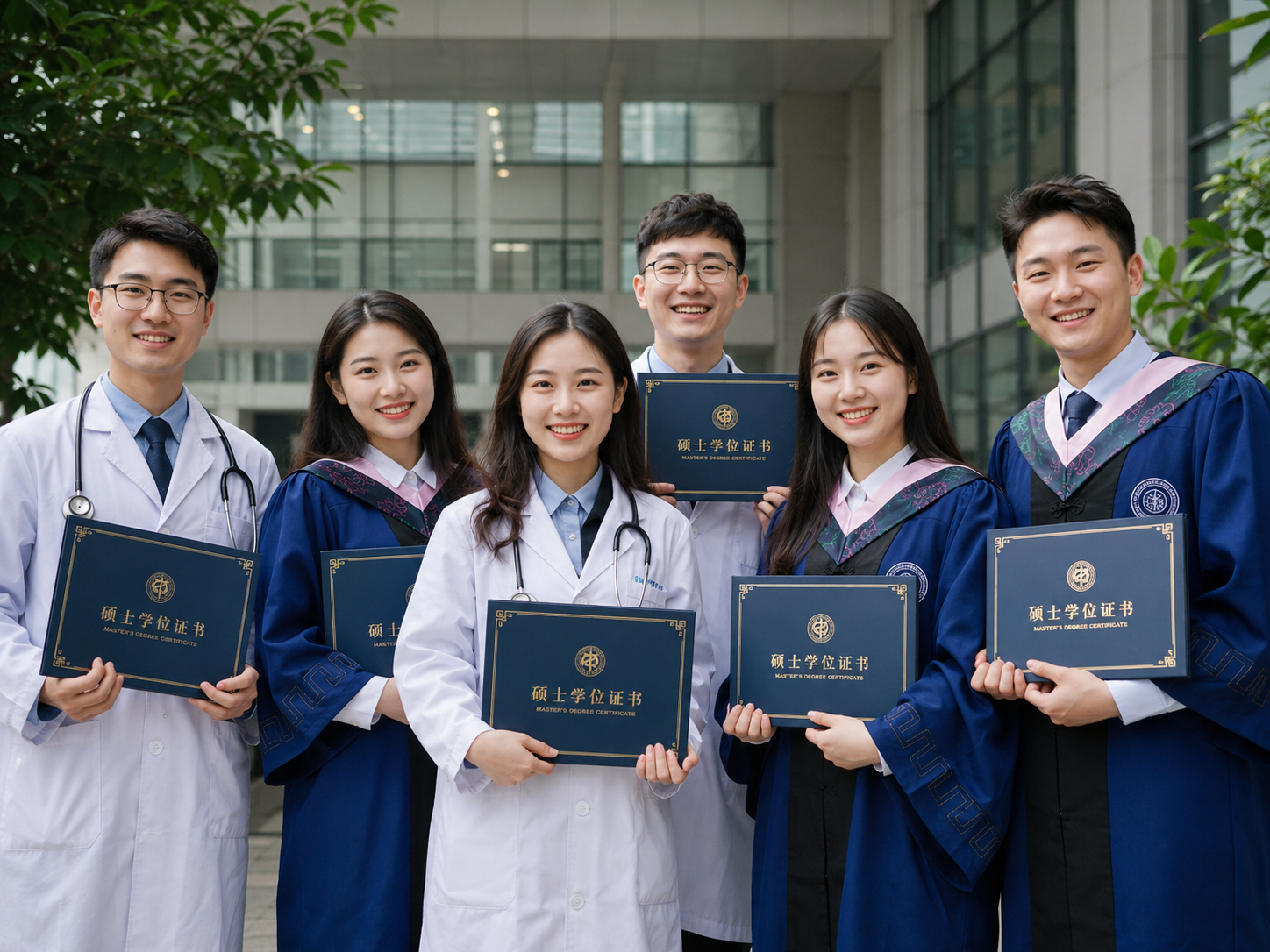
Each placement is assessed separately against the requirements of the destination country and the receiving institution.
WHO projection for the shortage of health workers in 2030.
Doctors, nurses and midwives according to the European Commission.
Average share across OECD countries in the most recent OECD data.
Upper projection for the United States physician shortage in 2036.
The right match goes beyond a job title. Relevant factors include procedure volume, acuity, autonomy, subspecialty, rota structure and multidisciplinary integration.
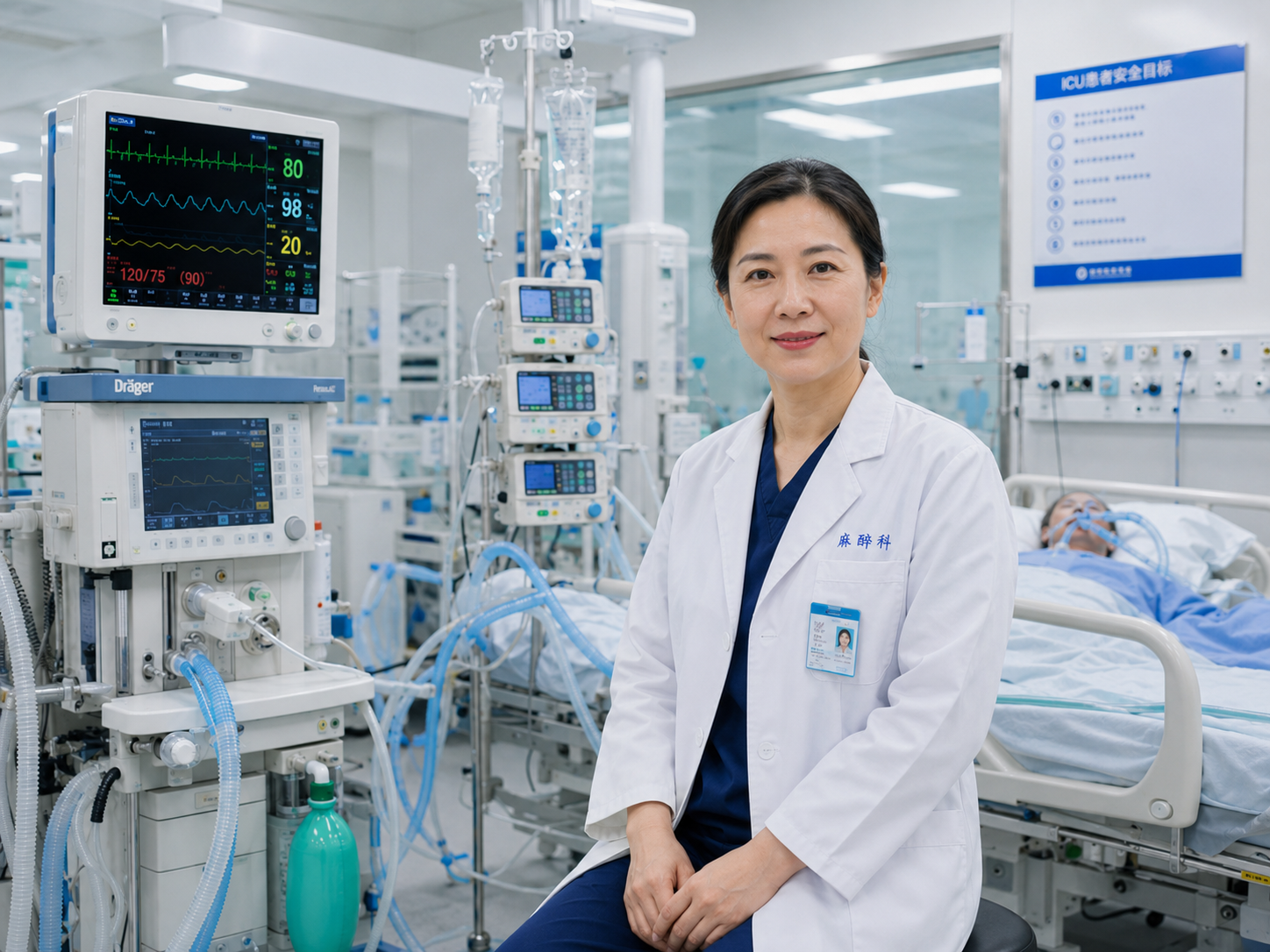
For operating-room continuity, airway management, perioperative risk stratification, postoperative care and ICU cover.
Read more →
For triage, resuscitation, high-acuity patient flow, acute diagnostics and coordination of specialist cover.
Read more →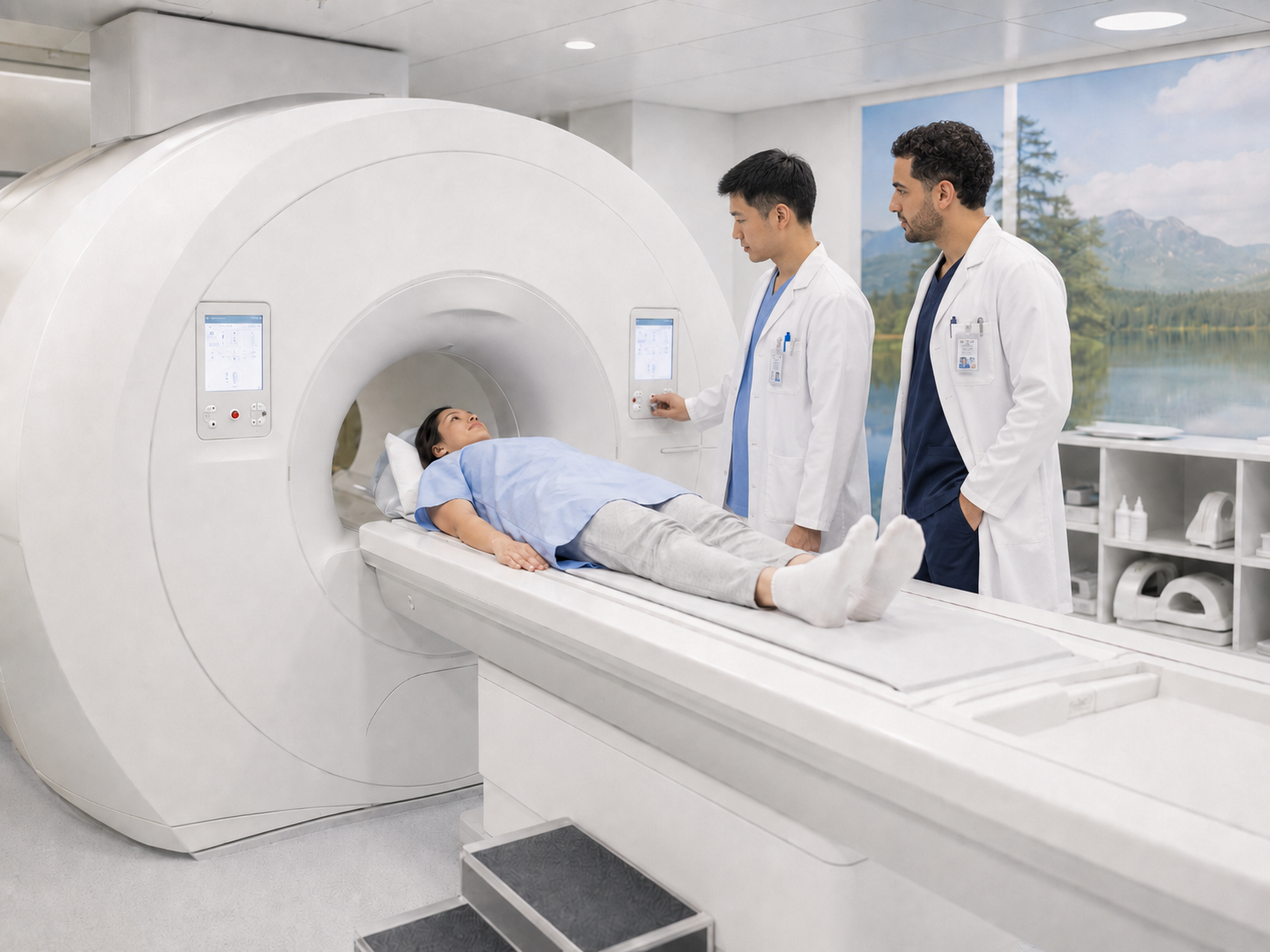
For continuity of CT, MRI and ultrasound, emergency imaging and multidisciplinary diagnostic decision-making.
Read more →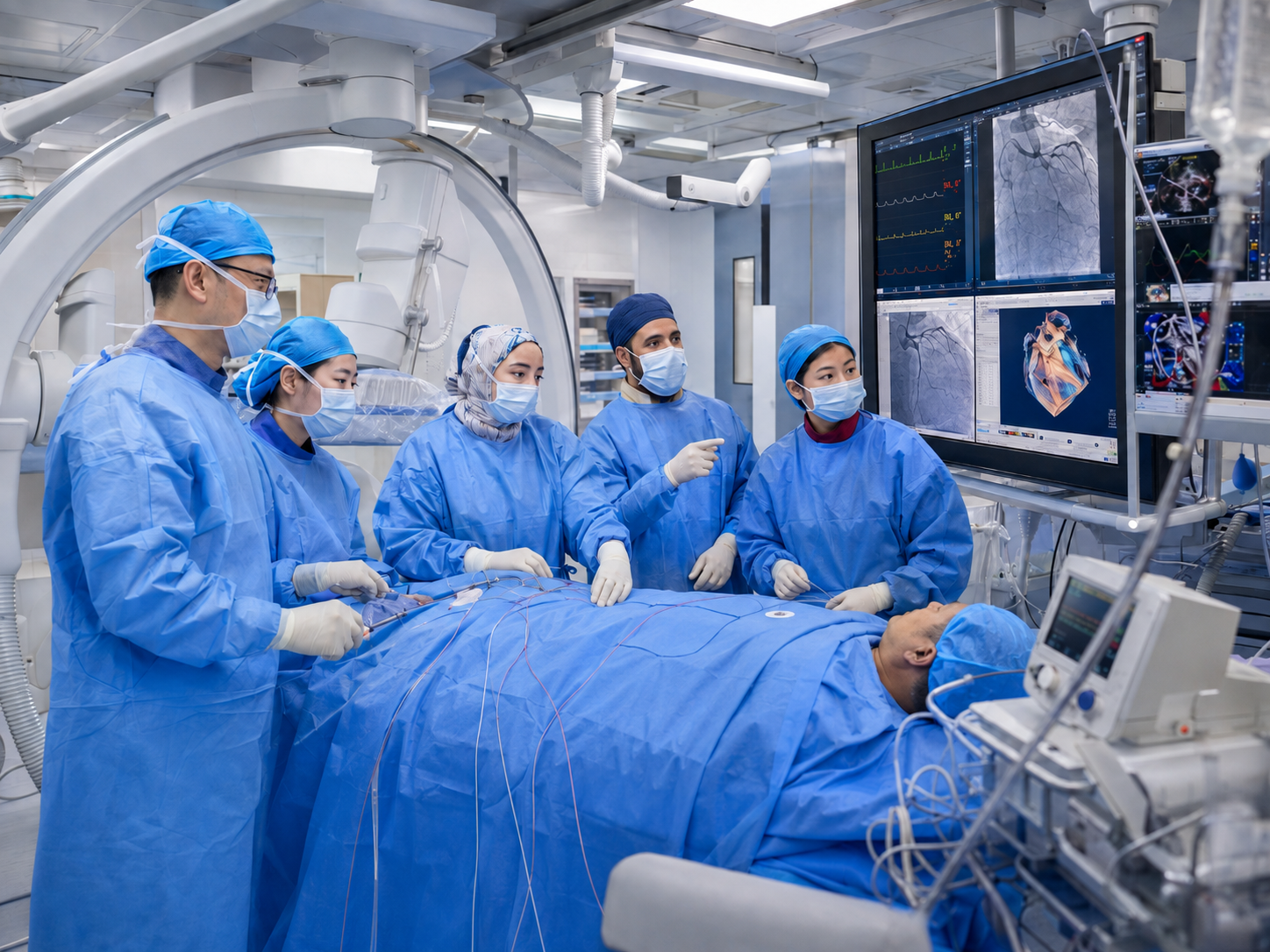
For acute and chronic cardiovascular care, diagnostics, CCU cover and specialist outpatient capacity.
Read more →
For complex operative programmes requiring demonstrable caseload, team integration and perioperative governance.
Read more →
For elective and emergency operating capacity, abdominal surgery and continuity of surgical services.
Read more →